Why Your Aging Pet Needs Better Treats for Senior Pets
@gettreatsseniorpetsinfo
October 11, 2026 · 8 min read
When my dog Jasper turned ten last spring, his leaps became tentative and his morning walks turned into slow, careful sniffs around the block. I noticed it first in the way he hesitated at the curb, then in the stiffness that lingered after naps. That is when I started looking seriously at treats for senior pets. Not just the standard biscuits that had filled his treat jar for years, but something that actually addressed the changes happening in his body. What I found changed how I think about feeding older animals altogether.
The nutritional demands of a senior dog or cat shift in ways many of us overlook until the symptoms show up. Joint stiffness, low energy, dental issues, and digestive slowdowns are common, and the treats we give them can either help or hurt. For years, I viewed any treat as a small indulgence, something for training or just for fun. But for aging animals, every bite carries weight. The right treats for senior pets can support mobility, cognitive function, and immune health without loading them with empty calories or artificial fillers.
What Changes in Senior Pet Nutrition
Senior pet nutrition is not just about fewer calories or lower protein. Older animals often need more of certain nutrients to maintain muscle mass and organ function. Their digestion becomes less efficient, so nutrient absorption drops. That is where nutraceutical pet products enter the picture. These are treats formulated with specific compounds such as glucosamine for dogs, omega-3 fatty acids, and probiotics. They provide targeted support that regular kibble or standard biscuits cannot deliver.
One of the first things I swapped for Jasper was a glucosamine for dogs chew. He had always been a high-energy retriever, but his hips started showing wear. The vet mentioned hip dysplasia in dogs as a possibility, though Jasper was mild compared to some cases. Still, I wanted to keep him comfortable. Joint health chews became part of his daily routine, and within a few weeks, I saw a real difference in how he climbed the porch steps.
For cats, the needs are similar in principle but different in practice. Senior cat food often includes higher quality proteins and lower phosphorus levels to protect aging kidneys. But cats can be picky, so hiding beneficial ingredients in a soft treat works better than trying to change their main meals. Antioxidant pet treats, for example, can support aging immune systems in both species without forcing a diet overhaul.
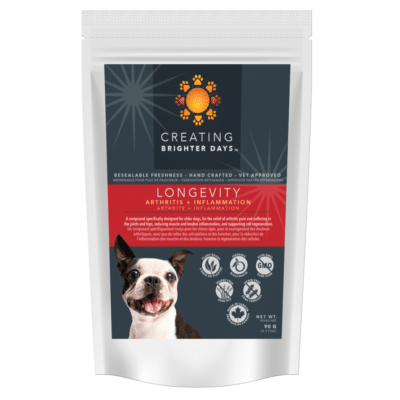
CBD Pet Treats and the Rise of Calming Chews
One of the more recent developments in this space is the use of CBD pet treats. These are not about getting an animal high. Rather, CBD interacts with the endocannabinoid system to support calmness and comfort. For senior pets dealing with arthritis relief for dogs or general anxiety from sensory decline, calming chews for pets that contain CBD can be a gentle tool. I have seen friends use them for dogs who get nervous during thunderstorms or trips to the vet, and the results are noticeable.
Kush Station carries a line of these products, and they fit well into a broader approach to senior pet wellness. The key is to look for treats that combine CBD with other supportive ingredients like turmeric for pets or coconut oil for pets. Turmeric is a natural anti-inflammatory, and coconut oil supports coat health and cognitive function. When you find a chew that blends these thoughtfully, you are not just giving a treat. You are adding a supplement that works with the animal's biology.
That said, not every CBD treat is created equal. Some are heavy on filler and light on active compounds. Reading labels matters. Look for products that specify the amount of CBD per chew and that come from reputable sources. Natural pet care means choosing transparency over marketing fluff.
Mobility Support Treats and the Role of Omega-3
Mobility support treats often combine glucosamine with chondroitin and omega-3 fatty acids. Omega-3s are powerful for reducing inflammation throughout the body, and they are especially helpful for aging joints. I add a fish-oil based omega-3 supplement to Jasper's meals, but I also use treats that contain it. The combination works better than either approach alone.
Dental health treats are another category worth considering. As dogs and cats age, their teeth and gums become more vulnerable. Hard treats that scrape off tartar can help, but they must be soft enough not to crack a fragile tooth. Dental health treats formulated for seniors tend to have a chewy texture that cleans without causing pain. I rotate these in a few times a week, and Jasper actually looks forward to them more than his regular chews.
Probiotic pet treats are also gaining traction. Gut health affects everything from energy levels to skin condition. For older animals whose digestive systems have slowed, probiotics can restore balance and reduce gas, bloating, and irregularity. I started giving Jasper a probiotic chew about six months ago, and his digestion has been more regular since. It is a small change that makes a big difference in his comfort.
How to Choose the Right Products
Walking into a pet supply store or browsing online can be overwhelming. There are hundreds of options, and many are marketed with buzzwords that mean little. Here is a practical way to narrow it down:
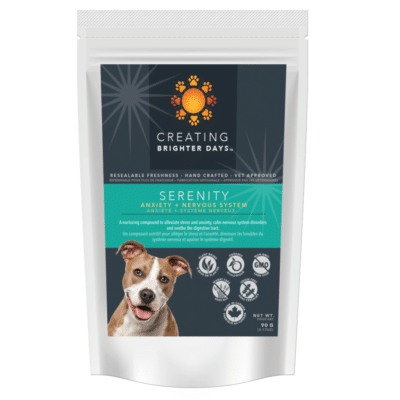
- Identify your pet's primary issue: mobility, digestion, anxiety, or dental health.
- Look for treats that address that issue with one or two key ingredients, not a long list of unpronounceable additives.
- Check that the treat size and texture match your pet's ability to chew. Senior pets may have missing teeth or sore gums.
- Start with a small quantity to see how your pet reacts before buying in bulk.
- Consult your vet, especially if your pet is on medication. Some supplements can interact with prescriptions.
I also recommend rotating between different types of treats rather than sticking with one. This prevents boredom and ensures a broader range of nutrients. For example, I might give Jasper a joint health chew in the morning and a probiotic treat in the evening. On days when he seems anxious, a calming chew for pets helps him settle. Variety keeps him interested and covers more bases.
Real Results from Real Owners
A friend of mine has a twelve-year-old Labrador named Maggie who developed arthritis relief for dogs severe enough to affect her walking. Her owner started using mobility support treats that contained both glucosamine and turmeric for pets. Within a month, Maggie was trotting again, not just walking. Another friend uses antioxidant pet treats for her senior cat who has kidney issues. The cat's energy improved, and her coat grew thicker.
These stories are not rare. When you tailor treats for senior pets to the actual needs of the animal, the results speak for themselves. The challenge is cutting through the noise to find what works. Kush Station offers a curated selection of nutraceutical pet products, but the principle applies wherever you shop: focus on ingredients, not packaging.
Considerations and Cautions
Not every senior pet needs every supplement. Over-supplementing can be as harmful as under-supplying. For example, too much glucosamine can cause digestive upset in some dogs. Start with the lowest recommended dose and observe. Also, remember that treats should never make up more than ten percent of a pet's daily caloric intake. Even healthy treats have calories, and senior pets are prone to weight gain because their metabolism slows down.
I also avoid treats with artificial colors, flavors, or preservatives. These add no value and can irritate sensitive systems. Natural pet care means sticking to whole food ingredients whenever possible. Sweet potato, pumpkin, and blueberries are common bases in good quality treats. They provide fiber and antioxidants without the junk.
Lastly, keep an eye on your pet's reaction. If a new treat causes vomiting, diarrhea, or lethargy, stop using it immediately. Not every product works for every animal. Trust your observation more than any label.

The Bigger Picture of Senior Pet Wellness
Treats are just one piece of the puzzle. Senior pet wellness includes regular veterinary checkups, appropriate exercise, mental stimulation, and a comfortable living environment. But the right treats can bridge gaps that diet alone cannot fill. They offer a way to deliver targeted nutrients in a form that pets actually enjoy. That is the beauty of a well-made treat: it feels like a reward but functions like medicine.
Jasper is almost eleven now. He still greets me at the door, though his tail wags a little slower. He still loves his treats, and I feel good giving them to him because I know they are doing more than just making him happy. They are supporting his joints, his digestion, and his overall comfort. It took me a while to learn that, but once I did, I stopped thinking of treats as simple snacks. They became part of his care.
If your pet is entering its golden years, take a close look at what you are putting in its bowl. The shift to better treats for senior pets is one of the easiest and most effective changes you can make. It does not require a complete overhaul of your routine. Just a more thoughtful choice, one treat at a time.